Fruits
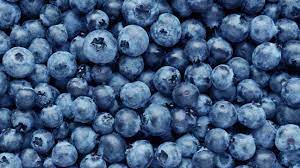
The genus Vaccinium has a mostly circumpolar distribution, with species mainly present in North America, Europe, and Asia. Many commercially available species with English common names including "blueberry" are from North America,[3] particularly Atlantic Canada and the northeastern United States for wild (lowbush) blueberries, and several US states and British Columbia for cultivated (highbush) blueberries. First Nations peoples of Canada consumed wild blueberries for millennia before North America was colonized by Europeans. Highbush blueberries were first cultivated in New Jersey around the beginning of the 20th century.
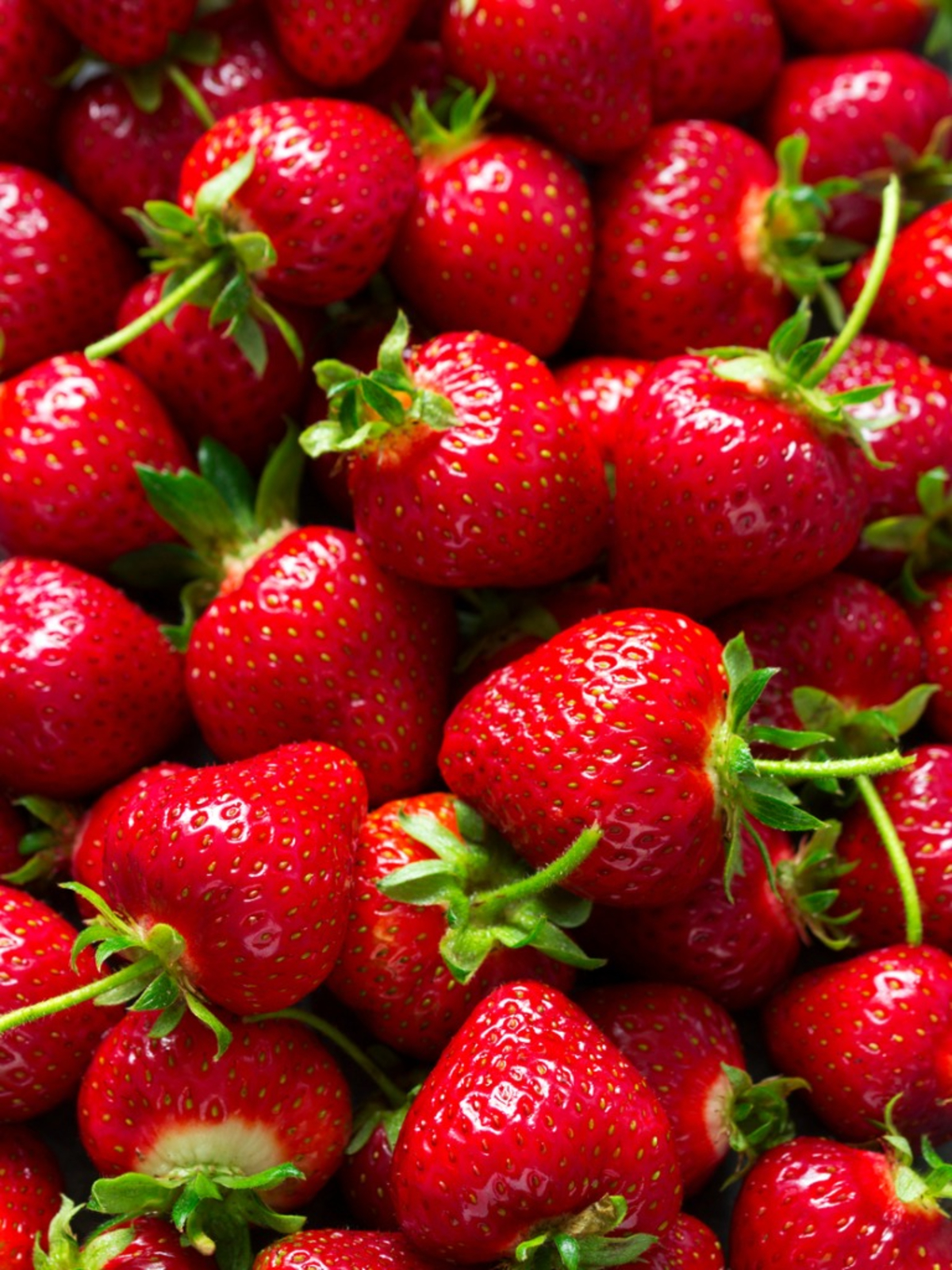
The first garden strawberry was grown in Brittany, France, during the late 18th century. Prior to this, wild strawberries and cultivated selections from wild strawberry species were the common source of the fruit. The strawberry fruit was mentioned in ancient Roman literature in reference to its medicinal use. The French began taking the strawberry from the forest to their gardens for harvest in the 14th century. Charles V, France's king from 1364 to 1380, had 1,200 strawberry plants in his royal garden. In the early 15th century western European monks were using the wild strawberry in their illuminated manuscripts. The strawberry is found in Italian, Flemish, and German art, and in English miniatures.The entire strawberry plant was used to treat depressive illnesses.By the 16th century, references of cultivation of the strawberry became more common.
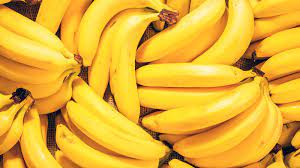
A banana is an elongated, edible fruit – botanically a berry – produced by several kinds of large herbaceous flowering plants in the genus Musa. In some countries, bananas used for cooking may be called "plantains", distinguishing them from dessert bananas. The fruit is variable in size, color, and firmness, but is usually elongated and curved, with soft flesh rich in starch covered with a rind, which may be green, yellow, red, purple, or brown when ripe. The fruits grow upward in clusters near the top of the plant. Almost all modern edible seedless (parthenocarp) bananas come from two wild species – Musa acuminata and Musa balbisiana. The scientific names of most cultivated bananas are Musa acuminata, Musa balbisiana, and Musa × paradisiaca for the hybrid Musa acuminata × M. balbisiana, depending on their genomic constitution. The old scientific name for this hybrid, Musa sapientum, is no longer used.