About Alaskan Dogs
Alaskan Husky
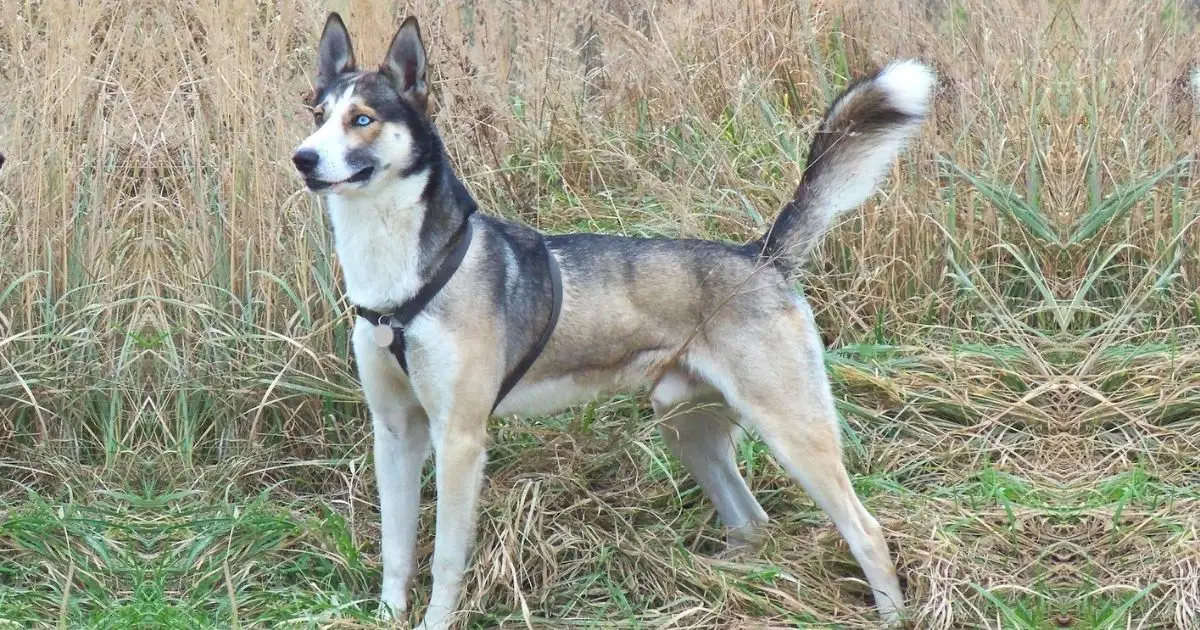
Some might say Alaskan Huskies are Siberian Husky on steriods. They were bred from Siberian Huskies.
This gives the advantage of Alaskan Huskies being more physical and harder working Huskies. When compared to Siberan Huskies, Alaskan Huskies are more larger, leaner and have greater endurance.
Alaskan Huskies are use to working in large teams, so Alaskan Huskies need to work well with people, dogs and other animals. Alaskan Huskies create strong bonds with those who are like minded.
Since they are built to for speed and endurance they need lots of space to run around and play, small spaces like apartments wouldn't work well with them.
Huskies are very difficult to train, first time dog owners or shy people, should consider different breeds. Assertive, confident, experience dog owners would fit for Husky dogs.
Alaskan Huskies are more commonly non to be sled dog breeds. Purely working abilities
With that being said thye are not picked because of their looks or pedigree, and there is also no set rules on how to breed them.
Alaskan Malamute
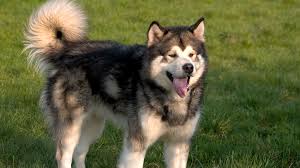
Malamutes are great family dogs and they are also good with children. Keep in mind these are big dogs with lots of energy so children ages 5 and up won't get overpowered by them.
Malamutes are challenging to train and live with. If they do not get thhe sufficient amount of exercise Malamutes become rowdy and bored.
Which this usually leads to chronic howling and destructive chewing.
It is also vital to properly intriduce Malamutes to other animals in the household, make sure all interactions are monitored.
Try to get Malamutes to socialize early and train early, so Malamutes can get along well with other dogs.
Malamutes are highly intelligent dogs. You cna begin training as soon as possible. Even at a young age, Malamutes can pick up on training cues.
Malautes also tend to be a little more stubborn due to their high level of intelligence.
Alaskan Klee Kai
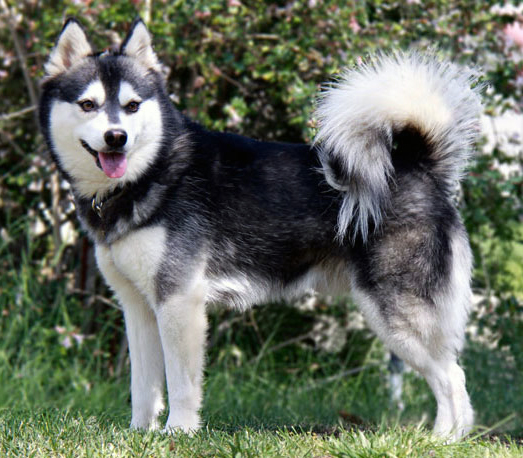
Alaskan Klee Kai are small and affectionate dogs, very loving and loyal pets. They do tend to be cautious around strangers and small children, it is best to start early socialization.
The Alaskan Klee Kais are a mixed dog breed originated from an Alaskan Husky, a Siberian Husky, an American Eskimo dog, and a Belgian schipperke. They were a product of mixed breeding.
Alaskan Klee Kias are one of many dogs that could struggle with seperation anxiety. These little dogs can become quiet attached to their owners.
Like Alaskan and Siberian Huskies, the Alaskan Klee Kai have a double coat – an inner coat and outer coat. They will shed their inner coat twice a year, which requires frequent brushing to dislodge loose dog hair.
While single-coated dogs have only one layer of fur, the Alaskan Klee Kai has two: a top coat and an undercoat. The top coat consists of longer, thicker guard hairs that help repel dirt and water while protecting the dog from the sun.
Alaskan Klee Kai can easly be trained because they smart little dogs. If your Klee Kai is not properly train bad habits can creep in and stubbornnes can start to be a problem.
An inexperienced pet owner would find it difficult to care for an Alaskan Klee Kai. But for an adopter who keeps up with training and physical activity, this breed is sweet, loyal, and happy to shower you with affection.
American Eskimo
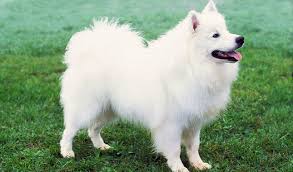
High-spirited and cheery, American Eskimo dogs make great companion pets because of their well-behaved and friendly disposition.
They're loyal to their humans and have a gentle temperament, so they make excellent family dogs and do well around children.
Keeping your American Eskimo calm may prove to be a challenge, since they are generally a hyperactive breed.
If they are allowed to become bored, they will take out their energy in ways that are often destructive, including barking, chewing, and jumping around the house.
The American Eskimo dog is a chipper white dog that looks a bit like a miniature husky.
Despite its name, the dog breed originated in America's Midwest, where it's long served as a farm dog.
American Eskimo puppies are similar to other breeds in that they're rambunctious, precocious and love to bite on things.
Biting in puppies is an instinct that should be redirected instead of punished.
An Eskie was the first dog known to ever walk a tightrope. Today, Eskies are still known for the wide variety of tricks they can perform.
Siberian Husky
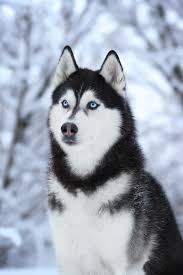
Affectionate and good natured describes the Siberian Husky. Generally, they do well with children although young children should never be left alone with any breed.
They also get along with people and do well in homes with multiple dogs. Siberian Huskies were bred to need very little food to survive.
Siberian Huskies are intelligent but somewhat independent and stubborn. They thrive on human company, but need firm, gentle training right from puppy hood.
These are dogs bred to run, and their love of running may overcome their love for their guardians at times.
Huskies are well known for being difficult to train. Huskies are intelligent and independent, which can come across as stubborn. So while your Husky will learn fast during training, you need to be extra careful with your approach to train them properly.
Siberian Huskies were bred to be active, and they require a great deal of vigorous activity in order to maintain their health and vigor and your sanity. Dogs that do not get the proper amount of exercise or mental stimulation tend to become rambunctious and destructive at home.
Siberian Huskies are not best for first time dog owners. They also have a they layer coat and living really should be in a cold climate, which is why they are perfect sled dogs in Alaska and other super cold climates.
Samoyed

Samoyeds are such friendly dogs and they often love being in a family environment. With the right socialisation, they are usually great with children and will be very loyal to the whole family. They may sometimes favour one chosen person
Samoyed and Siberian Huskies are often confused for the same dog but they're two separate breeds. Although they're different type of dogs, Samoyeds and Siberian Huskies do have some similarities.
Samoyeds are very playful and make a great companion for a young child. Samoyeds generally do well with other dogs and friendly to all people, even strangers. But they are not recommened for first time owners.
None the less Samoyed are truly easy to keep breeds. Samoyed thrive off of small amouts of food, quality food. Bu too many snacks or treats, with not sufficient exercise can lead to obesity.
Samoyeds are particularly prone to hip dysplasia and some suffer from diabetes. Also prone to skin allergies. They are prone to PRA (eyes), primarily in male dogs.
Making sure you are firm and confident in your training could prevent behavioral isses such as obsessive barking.
Greenland

It is one of the purest and most isolated dog breeds in the world because it is not allowed to mix the Greenland dog with other dog breeds. These lovely sled dogs are very patient.
Once they are bonded with their owners, they make extremely devoted pets. When socialized from a young age they love people and can do well in a busy household or in a group with other dogs.
Training these dogs is very difficult and it takes a lot of firm, patient leadership to teach the dog the most necessary skills. This breed still retains a lot of wolf instincts and character.
The Greenland Dog is not a breed to contently lie around your house. It needs to be taken on a daily, long brisk walk, and needs to have a job to do.
While out on the walk make sure the dog heels beside or behind the person holding the lead, never in front, as instinct tells a dog the leader leads the way, and that leader needs to be the human.
The Greenland Dog is not good for apartment life. It needs space, room to run and a job to do. This breed can live outdoors. It can withstand cold temperatures and does not like excessive heat.
Seppala Siberian Sled Dog

Seppala Siberian Sleddog is developed for the purpose of pulling a sled in cold. Seppalas are active and energetic but very docile and trainable.
Seppalas are the working lines and the Siberian Huskies are the show lines. Their legs and body are longer and they are generally lighter in weight and build than the show dogs.
Seppala tend to be more trainable than other sled dogs and to be more highly bonded to their owners.
Seppala Siberiian sled dogs are natural, have a primitive appearance, and are highly developed work ethic, and its affectionate, cooperative, and highly bonded nature.
The Seppala Siberian Sleddog needs a lot of exercise. When not pulling a sled the breed needs at least a daily walk or jog, but should not be excessively exercised in warm weather.
Seppala Siberian Sleddogs are very active indoors and do best with a fenced-in, large yard. Because of their heavy coats, these dogs prefer cool climates.
Seppala Siberians shares its ancestral base with the Siberian Husky and for half a century shared the same registry with that breed, but was bred always exclusively as a working sleddog breed in its own right and kept apart from show bloodlines