Caring for Alaskan Dogs
Alaskan Husky / Siberian Husky / Seppala Siberian Sled Dog Care
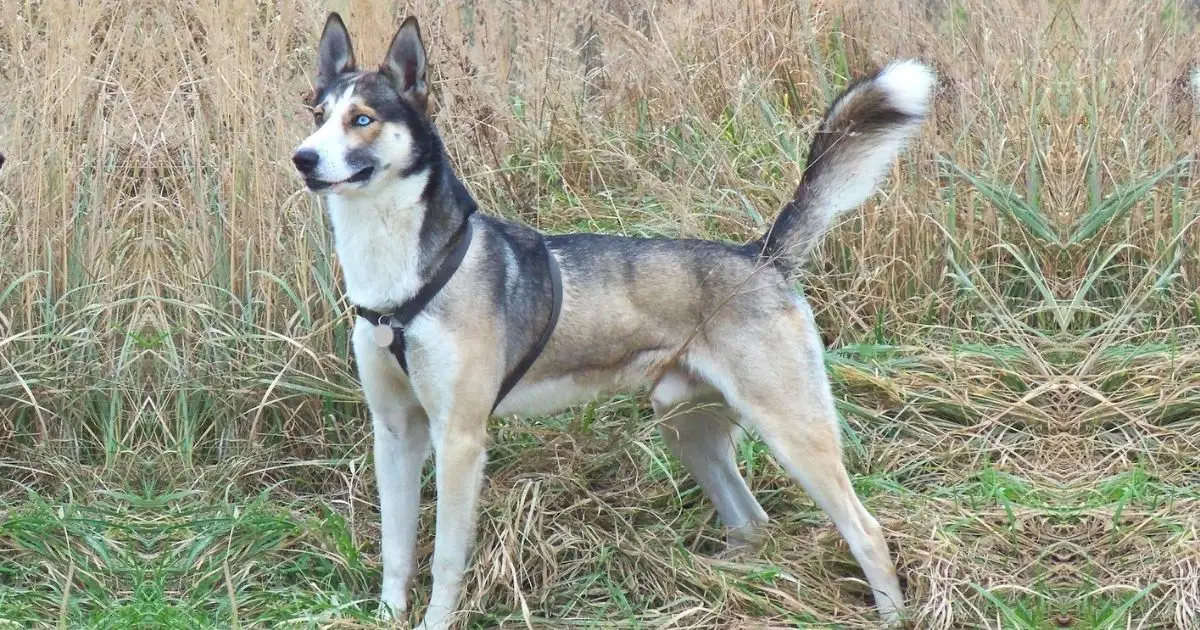
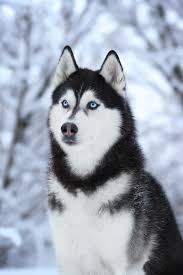

Training
Huskies who are properly crate trained can refer to their crate as a nest or den while they wait for your return, not as a punishment. Putting your huskY in a crate as a detention is a cruel uncondoned punishment. When you first start off crate traing do not leave your husky alone. You want to keep them at ease and help them adapt better. Proper crate training can help with house problems like barking or seperation anxiety.
When leash training do not rush your husky to be calm. Before walking take a step back and make sure your husky is at a peacefully state before your walk. This will ensure your husky will respond better to your commands during the walk. When you Husky is pulling or trying to advance head calmly sit them down for a few seconds and then proceed with the walk. Doing this make your husky will associate leash pulling with interfering with the walk.
Huskies are hard working dogs within a team. When you take the "Alpha position" you are providing your husky with a dependable leader and a stable foundation in your home setting. When you have control in your home area it will keep them calm knowing and understanding that you are the leader who provides food and safety. Which makes them more receptive to good training.
Obedience training is another good way for your husky to socialize with other dogs and learn those basic commmands. Being consistent in your training and rules that ae provided are essential to good behavior. When training your husky it requires lots of constant messages and rules over time. If not consistent it could lead to bad behavior. Make sure everyone in your house hold holds the same rules to avoid mixed messages.
Grooming
Huskies are double coated which means through brushing at least once a week regularly is a must. It is suggested to use a wide tooth comb to break down any mats, and then follow up with a paddle brush to smooth and loosen any stray hairs. Begin brushing the undercoat, brush thoroughly away from the skin to remove those loose hairs. Next pay attention to the overcoat. Make sure you are brusking vigorously in the direction of growth to promote shine and smoothness. Make sure you are paying close attention to any matts or tangles, if necessary loosen matts or tangles with conditioner. During the warmer seasons your Husky will shed lots of fur, try to get into the habit of a daily brush if you can. Huskies do not need to have frequent bathes
Health & Nutrition
Huskies need to have good quality foods that are high in protein with moderatly high fats and low carbohydrates. Some people feed their huskies a mixture of dog food and raw food to get the most protein from a well balanced meal. Never feed your dog any cooked bones they can injure, cut or even kill your dog. Keep in mind that higher proteins around the colder season or when hard training this would keep your husky in good health. Make sure you are feeding your husky after training because conditions like gastric bloat and torsion can put your husky at risk and even kill your husky. Some onwers like to be in control of what is being put into their huskies food so some owners may switch from a kibble diet to a raw diet. The raw diet consists of either raw whole foods prepared by the owner or commercial raw foods.
Alaskan Malamute Care
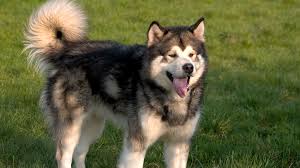
Training
Training and getting your Malamute to socialize with other dogs can be very challenging especially if they are not puppies. Malamutes will need a little more structure then most dogs. The key to training your Malamute is train them for situation that do work and get them to behave at all times. Malamutes get bored fast so keep the raining interesting to avoid you and your Malamute from getting frustrated, because they are stubborn. When training you have to be full invested so train when you really want to train. Make sure all memebers of your family are participating in the training, that doesn't mean to have smaller children training your Malamute because they are relatively big dogs.
Grooming
Malamutes do require yoou to do regular bathing and brushing. Malamutes can be bathed as frequently as weekly up to no longer then 6 weeks. Malamutes has double coats, they are a double coated breed so proper bathing and drying techniques can have your Malamute with a beautiful shiny coat. Washing your Malamute with the correct products with make for a very optimal results. When their coats are dirty it can lead to the shaft of their hair becoming rough and will eventually break down, this can lead to the coat becoming damaged. Lack of maintenance can contribute to the formation of the cobweb matting that forms close to the skin. This type of matting if left unattended can lead to the development of numerous skin issues. Therefore, keeping the coat clean and healthy is of utmost importance in order to maintain the abundant double coat. Before the bath, take a few minutes to take a high velocity dryer over the coat to loosen any dirt and debris from the skin and to loosen any cobweb matting. Do not move the dryer back and forth quickly. Rather, hold the dryer in one place and slowly move it through the coat. The coat should start standing off the skin and not mat up. You might have to pull the dryer farther away from the skin to prevent it from tangling the coat. After you have completed the task of blow drying it is time to take a bath.
Health & Nutrition
Malamutes need to have good quality foods that are high in protein with moderatly high fats and low carbohydrates.
Alaskan Klee Kia Care
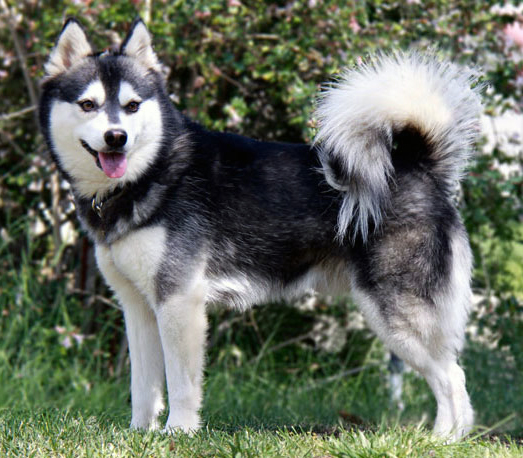
Training
When training your Alaskan Klee Kia you must not yell at your puppy or punish them fro not listns, only positive support is the best when training. When giving praise try to not pat on head or back rather pat under their chin, this is more caring to them. Try to do short training session, avoid doing log winded training sessions with your Alaskan Klee Kai. It is suggested to train them 3-5 times a day in 5 minute sessions, just so you can have their full attention. When your Alaskan Klee Kai has effectively complete that task rewards with treats. A mistake that pet owners make with Alaskan Klee Kia is as pups the owners allow them to behave in a undesireable way, this with care on in the future as they grow up. It is very hard to alter a bad habits, don't let it get that far. Alaskan Klee Kia can learn at their full capacity when they are 8-12 weeks old, start them young especially when it comes to socializing with other dogs. When potty training take them out regularly, maybe every hour this will restrict the opportunity of them using it inside. Make sure you take them to the very same spot every time, then it is time for them to go use the toilet. When training make sure you use a pleased tone when praising, but a firm tone when saying thing like no, never scream at them.
Grooming
As far as bathing goes, your Klee Kai probably won’t need a bath any more frequently than every three or four months. More frequent bathing may dry out their skin. Since they are small-to-medium sized dogs, bathing them in a sink is simplest. Make sure to spend some time working the water into both their top coat and their undercoat. The undercoat is very dense and needs to be soaked thoroughly. A little soap goes a long way. Start with a little and if you aren’t getting enough of a lather add some more water and if necessary, a little more soap. There are a lot of places that dirt can hide easily in their undercoats, which are very dense, so give them a nice massage to work the soap deeply into their undercoats. Remember to rinse them very thoroughly, getting all of the soap out of their undercoats. Dirt will stick to soap left in the undercoat so it’s important that none remains at the end of their bath. Towel dry them as completely as possible. it’s recommended to brush them about once a week to keep their coats healthy and get rid of any visible dirt or mats. When they are shedding theri undercoat that is called "blowing their coats", this happens twice. This will requre a more in depth grooming session. Make sure to brush more fquently at these times so you cna encourage the sheddig of the older layer of fur, this will also assist in the new undercoat layer to grow in more easily.
Health & Nutrition
Alaskan Klee Kai puppies between 8 and twelve weeks old need four bowls of food every twenty-four hours. Alaskan Klee Kai pups 3 to 6 months old should be fed three meals daily. Feed pups 6 months old to 1 year old 2 bowls of food in a twenty-four hour period.High-quality dry food ensures a well-rounded diet for grown alaskan klee kais and may be mixed with broth, water, or canned food. Your alaskan klee kai may also like cooked eggs, cottage cheese, and fruits and vegetables, but these additions should be less than 10 percent of his daily food allowance. Alaskan Klee Kai puppies should probably be given top-quality, brand-name puppy food. You should try to cut down on “table food”, though, because it can cause vitamin and mineral imbalances, bone and teeth issues, and might result in some very picky food choices as well as obesity. Clean, fresh water should be available always, and make sure to wash food and water bowls daily. These things should never be feed to your Alaksn Klee Kia : Alcoholic beverages, chocolate, tea, coffee, grapes, raisins, moldy or spoild food, onions, garlic, chives, salt, salty foods, tomatoes leaves, stems or unripe fruit, yeast dough, ect. Food in-tolerances and allergies can cause nonspecific symptoms such as diarrhea, gas, upset stomach or even an itchy behind. If you suspect that your pup has food in-tolerances or allergies, you may need to carefully limit his food intake in order to determine the food culprit- this may take time and that’s okay! Chicken can tend to cause problems for some pups, but that surely cannot be said for all dogs. Before the culprit is identified, you may wish to purchase small “sample-sized” bags of dog food for your pup to try- this way you can see how they tolerate it first before committing yourself to a larger 25 kg sized bag.
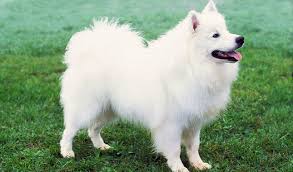
American Eskimo Care
Training
When training your American Eskimo ofering praise and positive reinforcement is vital and really use for when training. Do not yell, shout or penalize them for not listening, positive reinforcement is the best method to train them. They do not do well with long winded training sessions, try to kep it short so you can have their full attention. When they have successful completed a task reward with treats. Start out you when correctign behavioral issues do no't let them carry out in the future. When potty training take them out frequently, perferrably every hour to avoid any inside accidents. At a young age make sure youe American Eskimo has been mingling with other dogs, socialization is key to avoid them being axious or aggressive in new circumstances. Listen to your American Eskimo body language so you know when they are axious, agressive, uncomfortable or need to use the potty. Another key componant to training is not shout ot yelling at them, just speak firmly or calm, never shout.
Grooming
The care and maintenance of the coat sets the foundation for obtaining healthy skin and coat. When the coat is dirty, the hair shaft becomes rough and eventually breaks down, which can lead to the coat becoming damaged. It also can This coat needs to be bathed and brushed weekly in order to prevent the dog from becoming matted and tangled. Before the bath, take a few minutes to take a high velocity dryer over the coat to loosen any dirt and debris from the skin and to loosen any cobweb matting. Do not move the dryer back and forth quickly. Rather, hold the dryer in one place and slowly move it through the coat. The coat should start standing off the skin and not mat up. You might have to pull the dryer farther away from the skin to prevent it from tangling the coat. After the dryer process your American Eskimo is read for their bath. When bathing your American Eskimo you want to make sure you are massaging all the way to the skin, so you can remove and dirt. When you are done bathing them make sure you bloat the coat to get ride of any extra moisture, avoid using circular motions so no tangles are create. You can use a dryer but make sure the nozzel is not to close to the skin. After your American Eskimo is dry go over with a brush to in sure no tangels were create and this provides a nice shine to the fur.
Health & Nutrition
The American Eskimo needs a balanced diet to keep its body fit and away from different health problems. Protein is a very basic need for dogs as it is a primary source of their energy. Many proteins diets have high calories in it which is not good for your American Eskimo. So only provide them with protein based diet in a limited amount. However, a puppy needs more calories than an adult dog so feed your puppy a little more than an adult dog. Some protein sources can be obtained from meat, eggs, and also from different vegetables that are not toxic to dogs. Fat is very important on your dog’s diet as it is good for your American Eskimo hair and skin. Since it is a furry dog, fat helps it to keep its coat shiny and in good condition. Fat is also one of the main sources of energy and not all fats are good for your dog. Overfeeding fatty food can lead to weight gain, which can cause healh problems. you should give the puppy is around 1-2 cups per day in 2 portions. This amount will be enough as there will be some treats involved throughout the day. However, do not feed them more than required as it will only lead to their weight gain. Adult American Eskimos needs to be fed 3-4 cups per day in 3 portions. If it is involved in regular vigorous activity, the amount of its regular diet should be increased. If they are given less then required they will become thin and if given more, they will become fat.
Samoyed Care

Training
Training an Samoyed is moderatly easy, training can be challenging but you should start them out early. Make sure you have a variety in drills because they can easily get bored when be conducted to do the same drill over and over. Do not scream, shout or hit them, this will not gain any respect from them ironically it will do the opposite. Your Samoyeds will need to see you both as a authority figure and a friend. Providing them with appreciation and positive reinforcement is crucial when training them. Stop any bad behavior when they are young do not let it carry on in the future it is really hard to break caninne habits when it is all ready learned. reward with treats when a task is completed correctly. Take them out to potty frequently to avoid any accidents inside the house. When they do go out and use the toilet ensure you praise them. In time they will make teh connect that ouside is where they potty. Make sure to socialize them at a young age to avoid them being agressive or anxious in new circumstances. Make sure to participate in obedience training, so you can know to make you Samoyed. Teach your peet to understand the word quiet, when ever they are barking just simple state quiet in a firm and calm voice. Wait for them to stop barking them praise.
Grooming
The Samoyed does require regular bathing and brushing. In order to maintain the thick, double coat, frequent baths, blowouts, and brush outs are necessary. This gentle dog can be bathed as frequently as weekly up to no longer than every 6 weeks. With this double coated breed, proper bathing and drying techniques lay the groundwork for achieving a beautiful coat and healthy skin. This coat needs to be brushed weekly in order to prevent the dog from becoming matted and tangled. Lack of maintenance can contribute to the formation of the cobweb matting that forms close to the skin, this can lead to skin issues if left unattened. keeping the coat clean and healthy is of utmost importance in order to maintain the thick double coat. When brushing pay particular attention to the neck, chest, and hindquarter area as they can get packed with excessive coat.
Health & Nutrition
In order to maintain your healthy Samoyed you must provide them with a health well balanced diet that consists of proteins, fats or fatty acids, fibre, and carbs. Some protein sources migt consist of chicken, turkey, beef, vension, salmon or mutton. Dry dog food is great for your Samoyed because It’s chewy and crunchy, which your dog often takes advantage of to keep stress in check or even display dominance, It can make your dog’s breath better, especially in comparison to wet food or raw food, It protects their teeth, leading to a lesser amount of tartar and plaque, It’s also easy to store at room temperature and you can take it with you if you’re traveling. These are jsut a few but there is way more benefits then these. A combination of both works well for your Samoyed. Be careful not to introduce a raw diet too early in your Samoyed’s development. They must be at least 12 weeks old before you start. Feeding Samoyed pups with wetting dry dog food will ensure that it is soft, and their developing teeth can gnaw through the food. Samoyed need foods that are high in protein and fat. Foods comprising 2 or 3 meat proteins are ideal for your dog development. Many foods today also have a high concentration of plant proteins like peas and lentils.
Greenland Care

Training
When traning your Greenland make sure you are utilizing positive reinforcements, so your Greenland knows they are doing something right. If they do not follow or uderstand your commands do not penalize. They might not get your training at first but through repetition they will get there. Do not harass your Greenland this could make them timid and slow down them learning anything from the training progress. Once again give them treats or food as a form of praise. Try to stick to one training instruction at a time. Do not add new commands to the instructions this might make them confused. When teacking new skills keep you tone of voice cheerful so your Greenland will willingly obey your commands. Greenlands respond well to quiet coaxing voices. If you yell or shout this could agitate or startle your Greenland. Make sure you are training them in different locations so they know how to adjust to different environments other then you house. This will also help them socialize and get use to a variety of breeds and people.
Grooming
The Greenland Dog has a medium length coat that is a thick double coat. The under layer is made up of short, wool-like fur while the outer layer is longer, coarser and water-repellent to keep the Greenland warm and dry. Their tail is densely furred alongside their ears which are too, again to keep them warm. It is recommended that a very thorough brush three times a week to avoid the development of knots and matting of the undercoat. When Washing it is recommened to bath no more than fortnightly and if your Greenland, is generally a clean dog and avoids smelly substances, washing can be every 5-6 weeks. We would also suggest that during your weekly grooming session you carefully check the coat by running your hands through the fur to ensure it is of an even depth and that you have dealt with all matting and knotting. In cold climates your Greenland will shed their entire undercoat so you have to be prepared to brush frequently during that times. Also make sure you brush your Greenland before and after every wash.
Health & Nutrition
Greenland food should be healthy and nutritious. It should cover all the nutrients that a dog of this size needs, including proteins, fats and carbohydrates. It is recommended that you feed them a diet specially formulated for large dog breeds.